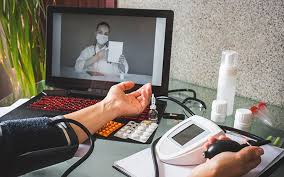
Advancements in Remote Patient Monitoring Tools for Better Care
One of the most innovative changes in healthcare today lies in remote patient monitoring (RPM) tools. These technologies empower doctors to care for patients beyond the four walls of hospitals, providing real-time health insights and facilitating proactive decision-making. With an increasing emphasis on convenience, accessibility, and quality, remote patient monitoring tools are rapidly transforming patient care delivery.
What Are Remote Patient Monitoring Tools?
Remote patient monitoring tools are devices or applications that track patients’ health metrics remotely and relay critical data to healthcare providers. These tools often measure vital signs like heart rate, blood pressure, blood glucose levels, oxygen saturation, and more. They provide healthcare professionals with instant access to a steady stream of patient data, reducing the need for frequent in-clinic visits while ensuring efficient tracking of health conditions.
Why RPM Tools Are a Game-Changer
Recent statistics reveal the growing popularity of remote patient monitoring solutions. The global RPM market is projected to grow at a compound annual growth rate (CAGR) of more than 18% during the next five years. This rise is fueled by increasing chronic illnesses, an aging population, and the preference for telemedicine.
Some key benefits of RPM advancements include:
• Enhanced Patient Outcomes: By offering health updates in real time, RPM tools alert providers to subtle changes before they escalate into emergencies.
•
• Cost-Effectiveness: Remote monitoring reduces hospital readmissions, minimizing healthcare costs for both providers and patients.
•
• Convenience: Patients can actively manage their health from the comfort of their homes without compromising on care quality.
•
Emerging Trends in RPM Technology
With technological innovations, RPM tools are now more user-friendly and insightful than before. Key trends include:
• AI-Powered Insights: Machine learning algorithms can analyze collected health data and provide predictive insights.
•
• Wearable Devices: From smartwatches to biosensors, wearable RPM tools make health tracking seamless and non-invasive.
•
• Integrated Solutions: Interoperability between RPM tools and electronic health records (EHR) ensures streamlined communication and better patient management.
•
The Future of Patient-Centric Care
The continued evolution of remote patient monitoring tools promises a future where healthcare is seamlessly integrated into everyday life. By expanding access to care and optimizing patient outcomes, RPM solutions are empowering a healthier world.